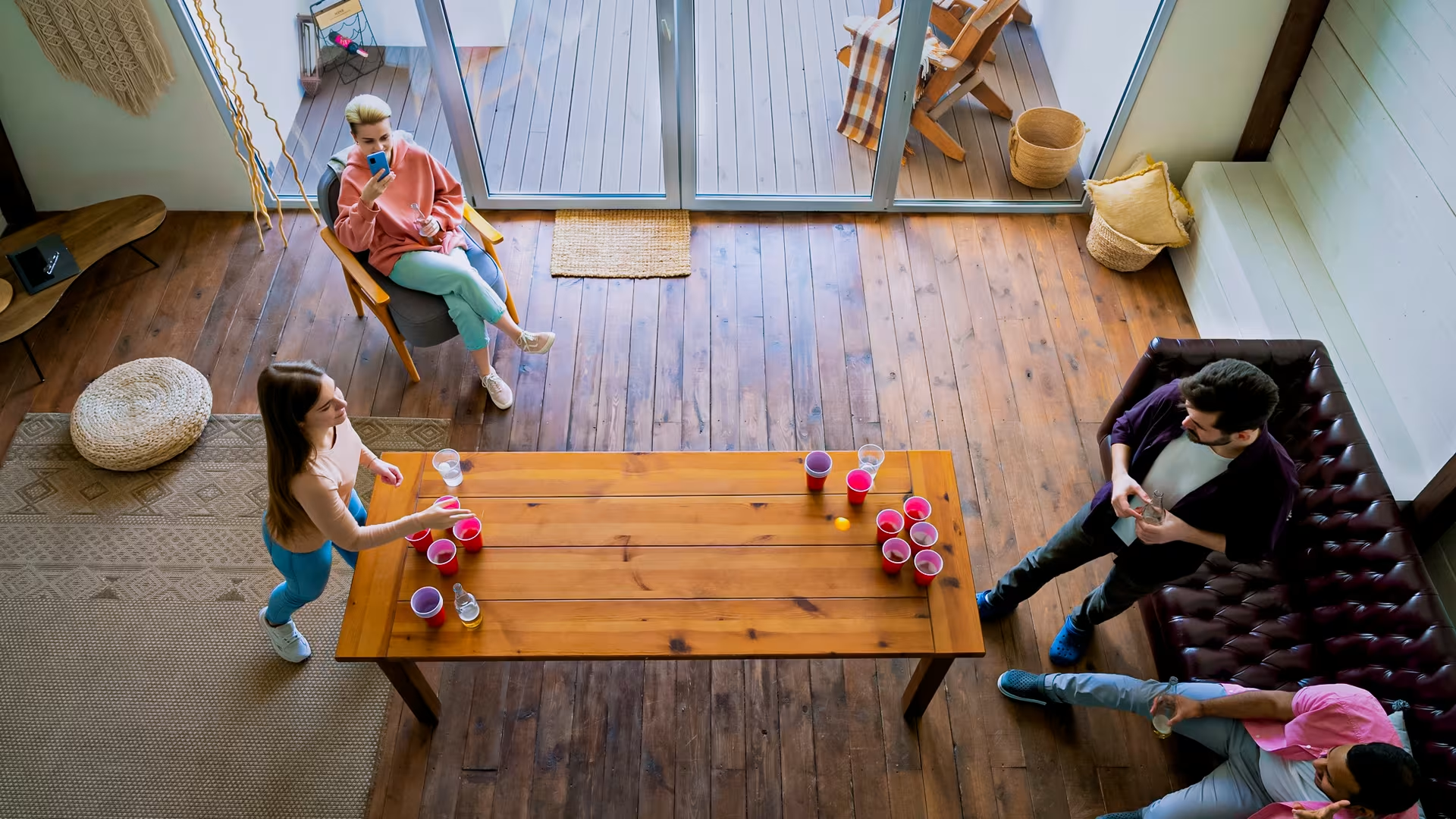
Sustainable living starts from the ground up—literally. Choosing eco-friendly flooring is one of the smartest ways to reduce your home’s environmental impact while improving indoor air quality, durability, and long-term value.
In this SEO-optimized guide, we’ll explore the best eco-friendly flooring options for sustainable homes, their benefits, drawbacks, and how to choose the right one for your space.
What Is Eco-Friendly Flooring?
Eco-friendly flooring refers to materials that:
- Come from renewable or recycled sources
- Have low environmental impact during production
- Emit low or no harmful chemicals (low VOCs)
- Are durable and recyclable at the end of life
In simple terms: it’s flooring that’s better for both your home and the planet.
Why Choose Sustainable Flooring?
Eco-friendly flooring is gaining popularity because it offers:
- 🌱 Lower carbon footprint
- 🏡 Healthier indoor air quality
- 💰 Long-term cost savings (due to durability)
- 📈 Increased property value
Sustainable materials also reduce waste and support responsible manufacturing practices.
1. Bamboo Flooring (Top Trending Choice)
Why It’s Eco-Friendly
- Bamboo grows in just 3–5 years, making it highly renewable
- Requires fewer pesticides and resources
- Biodegradable and recyclable
Benefits
- Extremely durable (often harder than oak)
- Modern, stylish appearance
- Suitable for high-traffic areas
Drawbacks
- Sensitive to moisture
- Quality varies—look for low-VOC options
Best For: Living rooms, hallways, modern interiors
2. Cork Flooring (Comfort + Sustainability)
Why It’s Eco-Friendly
- Harvested from tree bark without cutting the tree
- Regenerates every 7–9 years
Benefits
- Soft and comfortable underfoot
- Excellent sound and thermal insulation
- Naturally antimicrobial and hypoallergenic
Drawbacks
- Can dent under heavy furniture
- Needs sealing for moisture resistance
Best For: Bedrooms, offices, family spaces
3. Reclaimed Hardwood Flooring
Why It’s Eco-Friendly
- Reuses wood from old buildings
- Reduces deforestation and landfill waste
Benefits
- Unique, rustic character
- Extremely durable
- Long lifespan (up to 100 years)
Drawbacks
- Higher cost
- Requires professional installation
Best For: Luxury homes, vintage or rustic interiors
4. FSC-Certified Hardwood
What Makes It Sustainable
- Sourced from responsibly managed forests
- Certified by environmental organizations
Benefits
- Classic, timeless look
- Long-lasting and refinishable
- High property value
Drawbacks
- More expensive than standard wood
Best For: High-end, long-term investments
5. Natural Linoleum (Not Vinyl)
Why It’s Eco-Friendly
- Made from linseed oil, cork dust, and wood flour
- Fully biodegradable
Benefits
- Long lifespan (20–40 years)
- Water-resistant and antimicrobial
- Available in vibrant colors
Drawbacks
- Requires professional installation
- Slight natural odor initially
Best For: Kitchens, playrooms, creative spaces
6. Recycled Material Flooring
Types Include
- Recycled glass tiles
- Reclaimed rubber
- Recycled metal or plastic composites
Benefits
- Reduces landfill waste
- Unique modern aesthetics
- Durable and low maintenance
Drawbacks
- Can be expensive
- Limited availability
Best For: Bathrooms, feature areas, modern homes
7. Concrete Flooring (Polished & Sustainable)
Why It’s Eco-Friendly
- Uses existing slab (no extra materials)
- Long lifespan reduces waste
Benefits
- Extremely durable
- Low maintenance
- Modern industrial look
Drawbacks
- Hard and cold underfoot
- Requires sealing
Best For: Contemporary and minimalist homes
8. Low-VOC Vinyl & Engineered Flooring
Important Note
Traditional vinyl isn’t eco-friendly—but modern versions:
- Use low chemical emissions
- Include recycled materials
Benefits
- Affordable
- Water-resistant
- Easy installation
Drawbacks
- Not fully biodegradable
Best For: Budget-friendly sustainable upgrades
Comparison Table: Best Eco-Friendly Flooring Options
| Flooring Type | Sustainability Level | Lifespan | Best For |
|---|---|---|---|
| Bamboo | Very High | 20–40 years | Modern homes |
| Cork | Very High | 10–25 years | Comfort spaces |
| Reclaimed Wood | Excellent | 75–100 years | Luxury/rustic |
| FSC Hardwood | High | 75–100 years | Long-term value |
| Linoleum | Very High | 20–40 years | Kitchens |
| Recycled Materials | High | Varies | Unique designs |
| Concrete | Moderate | 50+ years | Modern homes |
| Low-VOC Vinyl | Moderate | 20–30 years | Budget homes |
Key Factors to Consider Before Choosing
1. Durability
Choose materials that last longer to reduce waste.
2. Moisture Resistance
Important for kitchens, bathrooms, and basements.
3. Indoor Air Quality
Look for low-VOC or no-VOC certifications.
4. Maintenance
Some materials require sealing or special care.
5. Budget
Eco-friendly doesn’t always mean expensive—options exist for every budget.
Certifications to Look For
- FSC (Forest Stewardship Council)
- FloorScore
- GREENGUARD
These ensure sustainable sourcing and low emissions.
Common Mistakes to Avoid
- Choosing “green” products without certification
- Ignoring durability (cheap = more waste)
- Overlooking installation impact
- Not checking VOC levels
Final Thoughts
Eco-friendly flooring is more than a trend—it’s a long-term investment in sustainability, health, and style.
Best Overall Picks:
- ✔ Bamboo → Best balance of sustainability + durability
- ✔ Cork → Best for comfort and insulation
- ✔ Reclaimed wood → Best for premium eco-design
The key is to choose a material that fits your lifestyle, climate, and budget while minimizing environmental impact.

